Luxury real estate is not just about marble floors, infinity pools, and a shiny address. It is about buying a lifestyle, protecting capital, creating rental income, and owning a place that still feels special ten years from now.
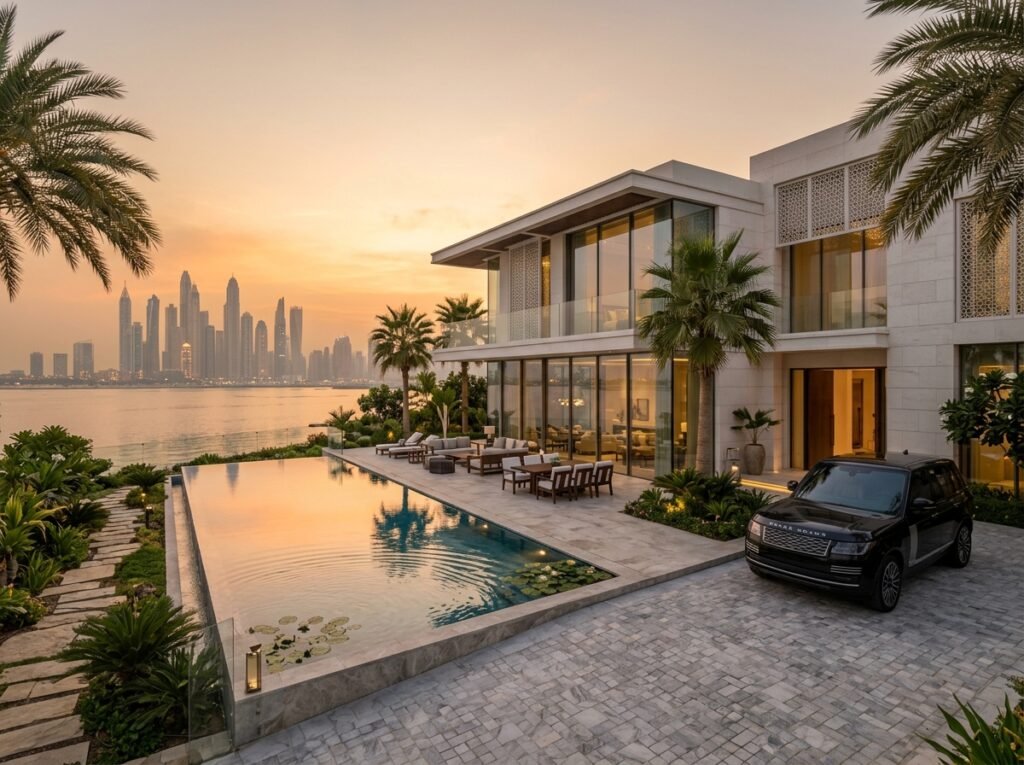
I remember walking through a waterfront villa in Dubai with a buyer who had already viewed six “luxury” homes that week. Every listing had the same words: premium, exclusive, stunning, high-end. But the moment we stepped into that villa, the difference was obvious. The layout worked. The sea view was actually protected. The materials felt expensive instead of looking expensive in photos. And, most importantly, the buyer could immediately picture both living there and renting it to the right tenant.
That is the real challenge with luxury real estate. There are plenty of expensive properties. There are fewer genuinely valuable ones.
Across the UAE, Oman, and Qatar, wealthy buyers, overseas investors, entrepreneurs, and relocating families are looking for luxury homes that combine privacy, prestige, rental demand, and long-term flexibility. Whether you are buying a Palm Jumeirah villa, a Muscat golf residence, or a waterfront home in The Pearl-Qatar, the details matter far more than the brochure.
This article breaks down how to buy luxury real estate intelligently, what makes a property truly premium, where buyers should focus in the Gulf, and how to avoid the expensive mistakes that can quietly destroy an otherwise great investment.
What Is Luxury Real Estate?
Luxury real estate refers to premium residential property positioned above the mainstream market because of its location, design, size, privacy, services, views, finishes, and buyer demand.
But bro, do not make the classic mistake of thinking a high price automatically equals luxury.
A giant villa in a weak location may cost more than a smaller waterfront residence in a top community, yet the smaller home may be the far better luxury asset. Serious buyers care about scarcity. They want things that cannot easily be copied: a private beach, a protected marina view, a corner plot, direct golf access, a limited-edition branded residence, or a villa inside a tightly managed gated community.
In the Middle East, luxury real estate often includes:
- Waterfront villas and beachfront compounds
- High-rise penthouses with skyline or sea views
- Branded residences managed by luxury hospitality groups
- Golf-course villas and gated estate homes
- Smart homes with private pools, cinemas, gyms, and staff quarters
- Designer apartments in prestigious urban districts
- Holiday homes with strong short-term rental potential
The best luxury properties offer more than visual appeal. They create a full ownership experience: smooth arrival, secure parking, quality landscaping, excellent property management, strong community amenities, and a location that still commands attention when the market becomes more competitive.
Why Luxury Real Estate Remains a Strong Asset Class
Luxury property attracts people for emotional reasons, but smart investors buy for practical reasons too.
The first big advantage is limited supply. Developers can build more apartments. They can build more townhouses. But they cannot create another Palm Jumeirah, another prime West Bay waterfront address, or another villa with a permanent mountain-and-sea view in Muscat.
The second advantage is tenant quality. Premium homes usually attract corporate executives, business owners, diplomats, international families, and affluent holiday renters. These tenants often value convenience, security, furnished quality, and privacy more than finding the cheapest possible rent.
The third advantage is lifestyle flexibility. You can use the home personally, keep it as a holiday base, rent it long-term, place it into a short-term rental strategy where permitted, or sell it later to another lifestyle buyer.
Luxury real estate also tends to hold its appeal when it sits inside a recognizable district. A beautifully designed villa in a weak or remote location can struggle. A well-positioned villa in an established luxury district often has a deeper pool of buyers because people already understand the address.
Dubai continues to allow foreign ownership in designated freehold areas, with title deeds issued through the relevant emirate’s land department. That makes location selection and proper registration central to any overseas purchase strategy. (U.ae)
The Luxury Real Estate Markets Worth Watching
UAE: Dubai and Abu Dhabi for Scale, Liquidity, and Global Demand
The UAE is usually the first stop for international luxury buyers, and it makes sense. Dubai brings global visibility, fast-moving transactions, branded residences, beachfront living, and a massive choice of villas, penthouses, and high-end apartments.
Dubai luxury real estate buyers often focus on locations such as:
- Palm Jumeirah
- Emirates Hills
- Dubai Hills Estate
- District One
- Jumeirah Bay Island
- Downtown Dubai
- Dubai Marina
- Jumeirah Golf Estates
- Al Barari
- Business Bay branded residences
Palm Jumeirah remains attractive because it combines waterfront living, privacy, hospitality, and global name recognition. But not every villa on the Palm is equal. Buyers should compare frond positioning, beach width, road noise, plot depth, renovation quality, and whether the view is protected.
Dubai Hills Estate attracts family buyers who want larger homes, green space, schools, golf access, and a more community-oriented lifestyle. Emirates Hills sits at the ultra-prime end, where large plots, private landscaping, and prestige drive demand.
Abu Dhabi appeals to buyers who prefer a more measured luxury market, especially around Saadiyat Island, Yas Island, Al Raha Beach, and premium city districts. Saadiyat, in particular, attracts buyers looking for cultural access, beach living, and a quieter luxury environment.
Qatar: Premium Waterfront Living and Strategic Ownership Zones
Qatar has become more interesting for international luxury buyers because of its modern infrastructure, lifestyle appeal, and controlled ownership framework.
The Pearl-Qatar remains one of the most recognizable premium residential destinations. It offers marina living, waterfront promenades, restaurants, luxury retail, apartment towers, villas, and a large international resident base. Lusail also draws investors looking for newer infrastructure, modern residences, and future-focused urban development.
Non-Qataris can own property in designated areas, while other areas may provide usufruct rights rather than outright freehold ownership. Qatar Tourism’s official ownership guidance explains that the framework covers specific freehold and usufruct zones, so buyers should verify the exact ownership structure of each individual property before paying a deposit. (Wisata Qatar)
For luxury buyers, Qatar works especially well when the property combines waterfront access, strong building management, premium amenities, and proximity to business districts or lifestyle destinations.
Oman: Quiet Luxury, Natural Beauty, and Lifestyle-Driven Ownership
Oman feels different from Dubai and Doha. It is less flashy, more relaxed, and incredibly attractive to buyers who value nature, space, architecture, and a slower premium lifestyle.
Muscat offers luxury real estate opportunities around golf communities, beach developments, mountain-view villas, marina residences, and integrated tourism complexes. Buyers often look at areas such as Muscat Hills, Al Mouj, Qurum, and approved integrated tourism projects.
Oman’s foreign ownership rules are more controlled than Dubai’s. Non-Omani ownership is generally structured around approved areas and integrated tourism complexes, where foreign ownership regulations apply. The Ministry of Heritage and Tourism lists executive regulations covering non-Omani ownership within Integrated Tourism Complexes. (Kementerian Warisan dan Pariwisata)
That does not make Oman less attractive. It simply means buyers need to be more precise. In Oman, location, project approval, ownership rights, and property management quality should all be checked before falling in love with the view.
7 Things to Check Before Buying Luxury Real Estate
Buying a luxury home without due diligence is how people end up owning a very expensive headache. Before signing anything, check these seven areas carefully.
1. The Real Location, Not the Listing Location
A broker may market a property as “Dubai waterfront” or “prime Muscat.” That is not enough.
Open the map. Drive the route. Check traffic at peak hours. Visit during the day and at night. Look for nearby construction sites, empty plots, event venues, public beaches, mosque speakers, road access, and service entrances.
Luxury buyers pay for experience. A beautiful interior cannot fix constant traffic noise or a blocked view.
2. Ownership Type and Foreign Buyer Eligibility
This is especially important in the Gulf.
Ask whether the property is freehold, leasehold, usufruct, or another ownership structure. Confirm whether your nationality, residency status, company structure, or financing method affects your eligibility.
Never rely on a verbal answer. Request written documentation and have a qualified local property lawyer review it.
3. Developer Reputation and Build Quality
A famous developer name helps, but it is not a substitute for inspection.
Look at completed projects, not only glossy renderings. Ask owners about handover quality, snagging issues, service charges, building management, lift maintenance, air-conditioning costs, and communication after purchase.
Luxury real estate should feel solid. Check stone finishes, cabinetry, waterproofing, glazing, drainage, pool systems, smart-home controls, and mechanical equipment.
4. Service Charges and Annual Carrying Costs
The purchase price is only part of the number.
A luxury apartment or villa may have annual service charges, community fees, pool maintenance, landscaping costs, insurance, staff expenses, cooling fees, security charges, and rental-management costs.
Ask for the most recent service-charge statement and calculate your true annual ownership cost before making an offer.
5. Rental Demand and Exit Strategy
Even if you plan to live in the property, think like an investor.
Ask:
- Who would rent this property if I moved?
- Who would buy it if I sold in three years?
- Is the unit layout practical for families or executives?
- Does the building allow short-term rental activity where relevant?
- Are similar units sitting vacant?
- Does the property compete with dozens of nearly identical listings?
The best luxury real estate has a clear future buyer or tenant.
6. View Protection and Future Construction Risk
This one is massive.
A sea-view apartment can lose value fast if a new tower rises in front of it. A quiet villa can lose privacy when a nearby plot gets developed. Always ask for community master plans, zoning information, and planned infrastructure around the property.
Do not assume an empty plot will remain empty.
7. Resale Liquidity
Some luxury homes are beautiful but difficult to sell because they are too personalized, too large, too remote, or too expensive for the local buyer pool.
Neutral, high-quality design usually sells faster than highly themed interiors. A villa with good parking, practical bedrooms, proper staff accommodation, a usable garden, and a strong location often has broader demand than a flashy mansion with unusual design choices.
How to Choose the Right Luxury Property for Your Goal
Your ideal luxury home depends on why you are buying.
For Personal Lifestyle Use
Prioritize comfort, privacy, daily convenience, and emotional connection.
You may care more about walkability, schools, beach access, restaurants, room layouts, and community atmosphere than rental yield. In this case, buy a home you will genuinely use.
A luxury villa should make life easier, not create more maintenance work than enjoyment.
For Long-Term Investment
Focus on established luxury districts with limited supply, proven demand, reliable management, and strong resale appeal.
Look for properties near recognizable destinations, business districts, beaches, golf courses, marinas, or premium hospitality zones. Avoid buying simply because a developer promises massive future growth.
For Rental Income
Choose layouts that tenants actually want.
Three- and four-bedroom villas often attract executive families. Furnished two-bedroom apartments can work for professionals and short-stay visitors. Waterfront homes, branded residences, and hotel-serviced units may command stronger rents, but their operating costs can also be higher.
For a Holiday Home
Prioritize convenience. You want easy airport access, dependable property management, secure lock-and-leave living, nearby dining, and an area that remains enjoyable outside peak season.
For many buyers, a luxury holiday home also becomes a rental asset when they are away. That is why comparing rental regulations, management companies, and furnishing standards is worth doing early.
Smart Negotiation Tips for Luxury Real Estate Buyers
Luxury buyers sometimes assume negotiation is only about asking for a lower price. Not always.
A smart deal can include better payment terms, furniture inclusion, waived service charges, upgraded finishes, a guaranteed handover timeline, or repairs before transfer.
Here is a simple negotiation process:
- Research recent comparable transactions, not only asking prices.
- Identify the seller’s motivation: relocation, upgrade, portfolio sale, or developer inventory.
- Make a serious offer backed by proof of funds or finance pre-approval.
- Keep your conditions clear and limited.
- Negotiate on total value, not just headline price.
- Inspect the property before final commitment.
- Put every agreement in writing.
Bro, a seller will often take a slightly lower offer from a buyer who can close cleanly over a higher offer full of uncertainty.
Common Luxury Real Estate Mistakes to Avoid
The first mistake is buying based only on photos. Luxury listing photography can make average finishes look amazing. Always inspect in person or appoint an independent representative.
The second mistake is chasing “new” instead of “best.” Some older luxury communities have bigger plots, more mature landscaping, stronger locations, and better layouts than newer projects.
The third mistake is ignoring running costs. A private pool, huge garden, smart-home system, and beachfront location are fantastic, but they all come with maintenance obligations.
The fourth mistake is overestimating rental income. Ask for realistic rental comparables, occupancy expectations, and management fees. Do not base your entire investment model on the most optimistic nightly rate online.
The fifth mistake is using the wrong legal support. Luxury property transactions deserve professional guidance, particularly when ownership structures, financing, cross-border funds, inheritance planning, or company ownership are involved.
Final Thoughts: Buy Luxury Real Estate Like an Owner, Not a Tourist
The best luxury real estate does not need to scream for attention.
It feels right the moment you arrive. The location makes sense. The design is timeless. The ownership structure is clear. The running costs are manageable. And the next buyer or tenant can easily understand why the home deserves its price.
The UAE gives buyers global visibility, a fast-paced luxury market, and a huge selection of premium homes. Qatar offers waterfront living, modern infrastructure, and defined ownership zones for international investors. Oman brings a calmer kind of luxury, where mountains, sea views, golf, marinas, and architectural character create a different ownership experience.
Take your time, inspect properly, understand the legal structure, and buy a property that works for both your lifestyle and your future exit strategy. That is how luxury real estate becomes more than a status purchase. It becomes a smart asset you will actually enjoy owning.
Ready to explore the income side of premium living? Read our next article on luxury villas for rent to learn how to find, evaluate, and rent high-end villas across the UAE, Oman, and Qatar.